• Obituary for a Sheep

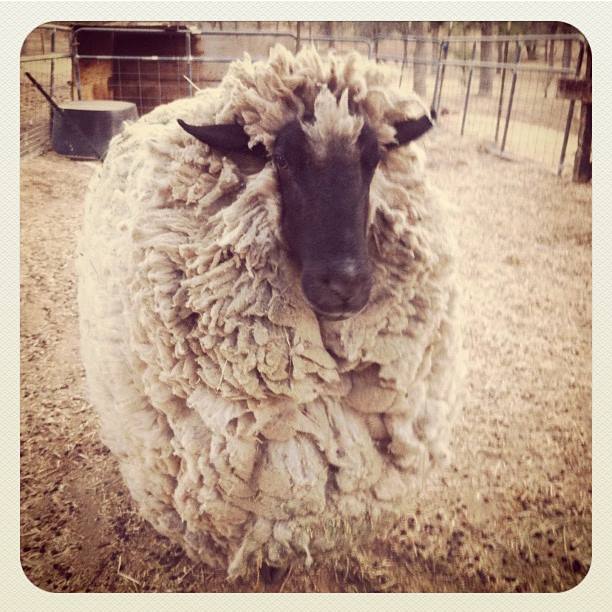
    Jeffery, a long-time resident of Cook Peak, died Tuesday, April 26, 2016, at the ripe old age of twelve. That’s sixty-four in human years and quite an achievement for a sheep! He will always be remembered for his massive wool coat, happy disposition, and keen observational skills, which served as an alarm system.

    Born in 2004 in Kelso Valley, CA, Jeffery was destined to become a 4-H lamb and sold to market. Due to an unfortunate accident with a horse weeks after his birth, Jeffery’s hind leg was broken, landing him at a local vet to be euthanized. Knowing the lamb was otherwise a healthy sheep and worthy of a good home, the vet set the tiny leg in a hot pink cast and called the Cooks.

    Jeffery spent the next few weeks bonding with the Cooks on their back patio. He drank formula from a baby bottle on a schedule and wore a plastic bag over his cast on rainy days. Once his leg healed, he moved to the barnyard where he bonded with a gelding named Silverado. Jeffery grew up fast. He enjoyed late afternoon walks with his humans, their horses, a dog and a chicken named Mary. When puberty arrived, Jeffery rode in the backseat of the Cook’s pick-up truck to the local high school where he was banded (castrated). 4-H students and staff were surprised when Jeffery jumped out of the truck like a dog.

    In his golden years, Jeffery enjoyed the company of Wilma and her three pigs who lived on the other side of his fence. Amber, the horse, often slept next to his pen for companionship. When invaded by free-ranging chickens in search for pill bugs, Jeffery didn’t mind. He chewed his cud and watched them or dozed in the sunshine. And when the Ravens picked his wool to line their nests, he gave freely and never flinched.

    “I’m sad Jeffery is gone,” said Ann. “It wasn’t easy to say goodbye to such an iconic figure of Cook Peak. I’ll never forget the last time I took him for a walk. Liz and Ellen rode along on their horses. Jeffery was full grown and very, very strong. I had him on a leash like a dog, but it was debatable as to who was walking whom. He wanted to go with the girls and their horses into a field, so he came up from behind me, between my legs and carried me off on his back. I was mutton busting and could have suffered serious injury. After I bailed into a ditch and checked to make sure nothing was broken, I got the giggles and limped home.”

    At Jeffery’s death, he was attended by a veterinarian and his human parents who comforted him. They stroked his face and told him what a good boy he was and how much they loved him as he fell asleep forever. Rest in peace, Jeffery.
     

    13124470_10209490638202021_1416287549240270112_n

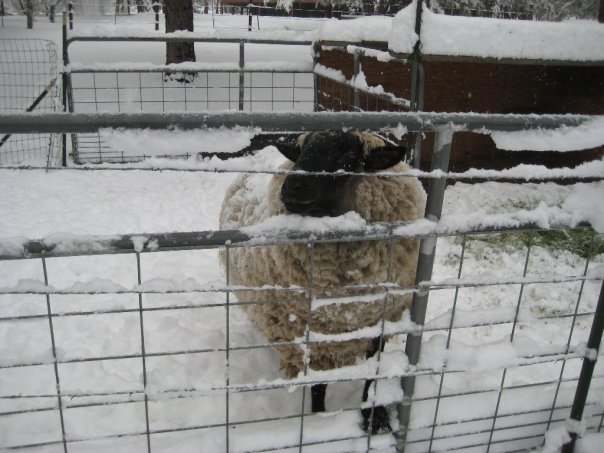
    A portrait of Jeffery.

    1351_1081807684586_4185_n

    Jeffery stayed warm during the snow of 2008.
     

    26035_1401583478781_3767957_n

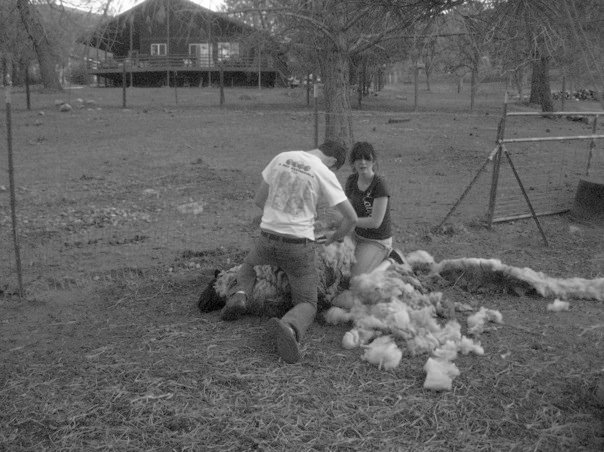
    Although this scene resembles a butchering, Jeffery is getting a haircut.
     

    26035_1401583638785_3451928_n

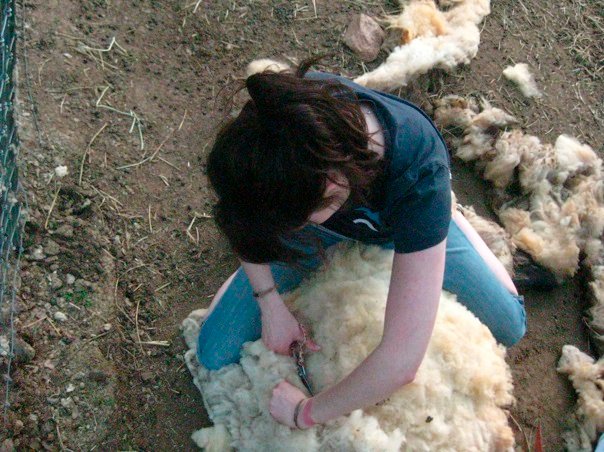
    My daughter is using my good sewing scissors… Who would have thought she would later become a successful cosmetologist.  Jeffery only got half a haircut that day. Both kids developed too many blisters to continue.
  • Snow

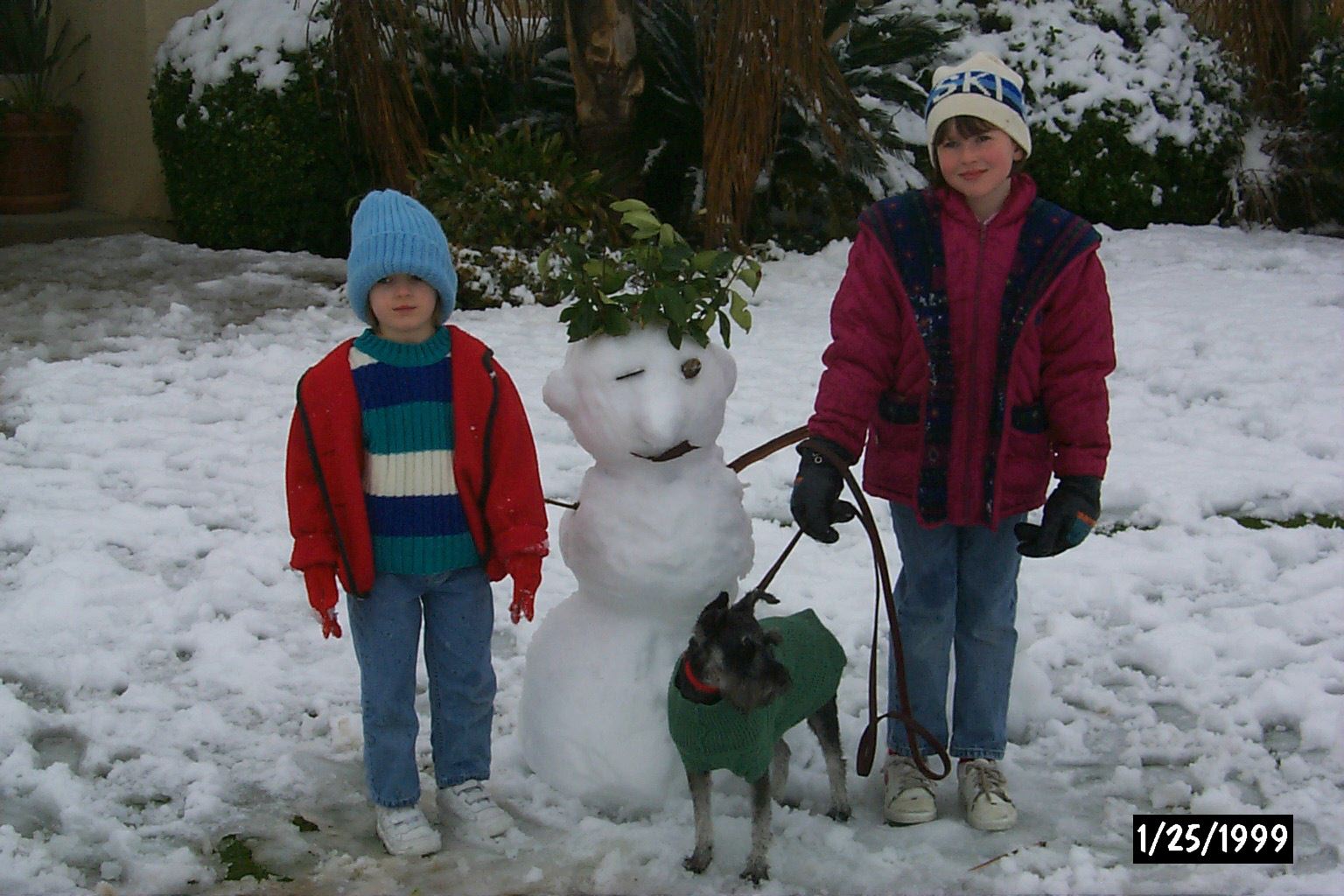
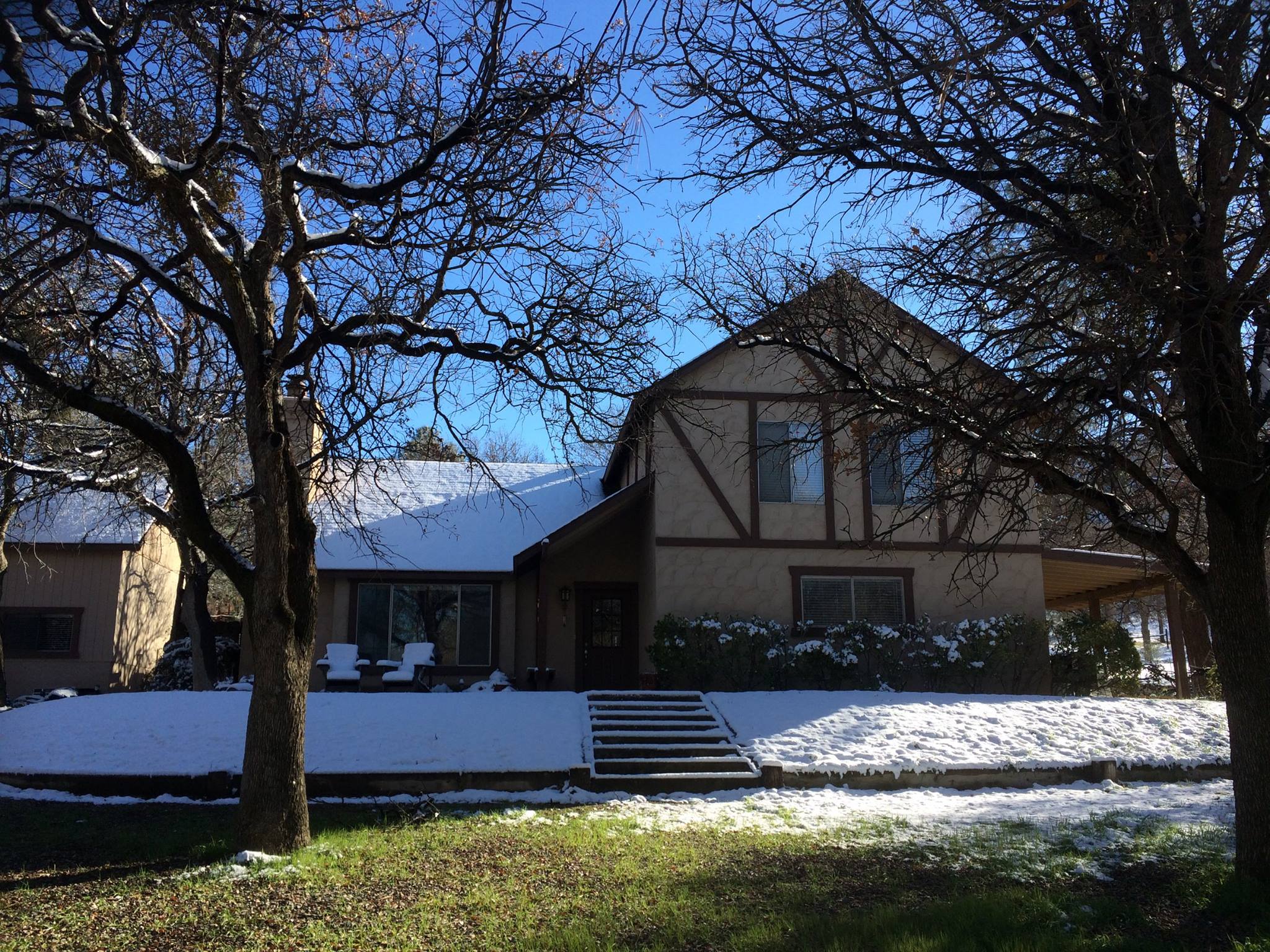
    In 1999, it snowed enough to build a snowman in Bakersfield. We bundled the girls and bolted out the front door into a glorious, unexpected Wonderland. Friends called, wanting us to explore the city, but we declined, sure of weather-related mayhem on the streets of Bakersfield. Instead, we helped our young daughters roll snow across our white Bermuda lawn until their snowballs grew large enough to stack. “Bubba” was his name. He became one of the many snowmen featured in the local newspaper the next week.

    They say it snows in Bakersfield once every ten years. I think they’re going on twenty.

    My parents introduced me to snow as a toddler. I know because I saw myself in a family photo album. I looked unimpressed posed in a foot of snow with my brother.

    The first time I lived where it snowed was in junior high. I went to boarding school in the Himalayas of Pakistan where snow was a significant event. I was so excited the first time I saw it fall in the headlights of our school van on the way home from Jhika Gali; I forgot to breathe. During the brutal winter months, much as American schools do in the summer, my school closed for the winter. Sadly I returned home to be with my parents in the Northwest Frontier Province and counted the days until spring when I could go back to school and enjoy the snow before it melted.

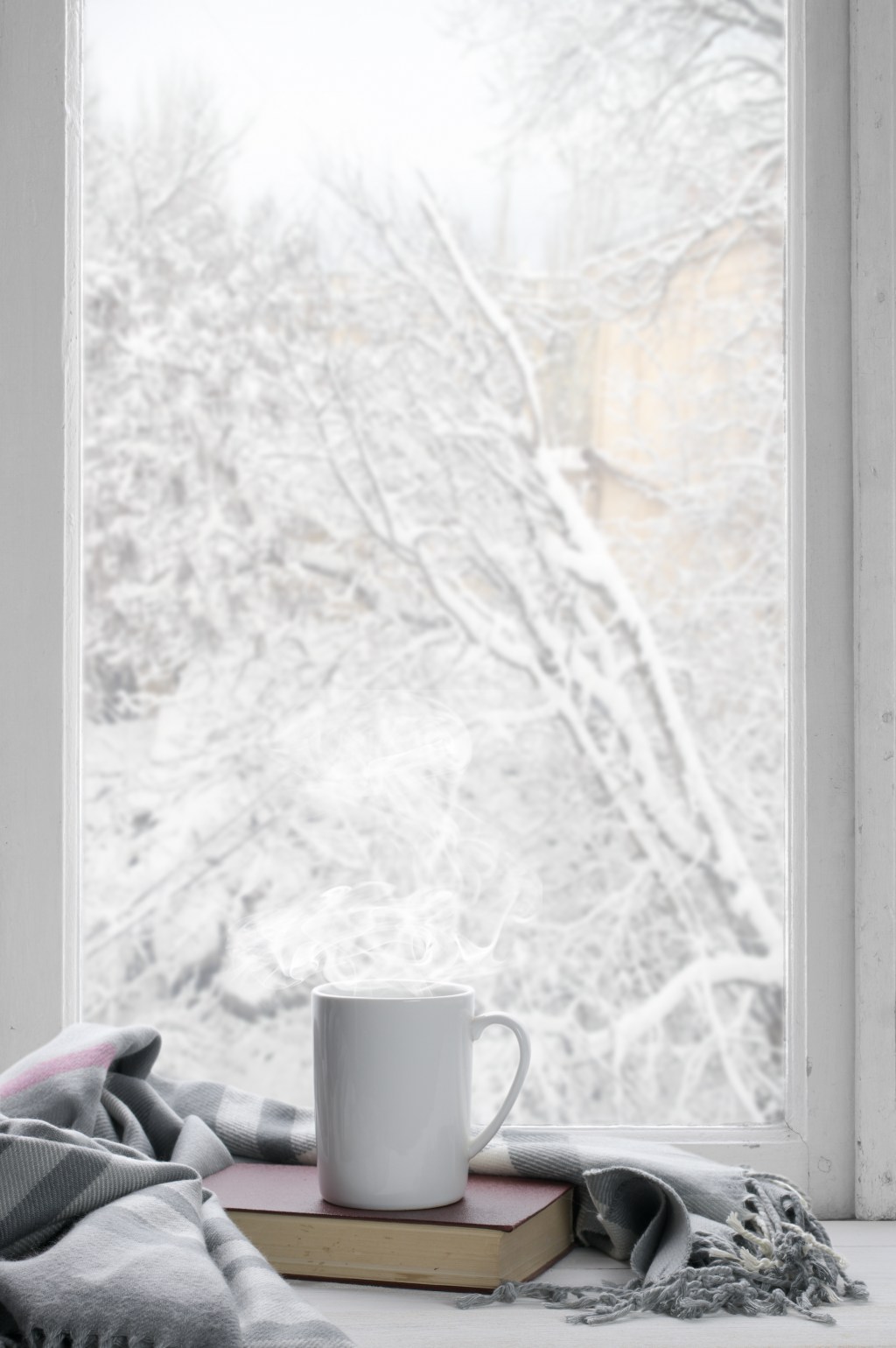
    Last week, it snowed at Cook Peak. I stood at my picture window with my coffee and watched giant snowflakes tumble from the sky. It reminded me of our first winter at Cook Peak as a family when we fawned over every snowflake, every dusting, every time we looked out a window and saw white. We loved and measured every inch and mourned its melting.

    The girls have grown up and moved away. It’s just me at the window now watching the snow fall and feeling I’ve come full circle. I can’t help but notice how quiet it is when it snows at Cook Peak.


    10258021_10205331620709183_4076090476550560064_o

    The last time it snowed in Bakersfield was in 1999.


    1351_1081807644585_3959_n

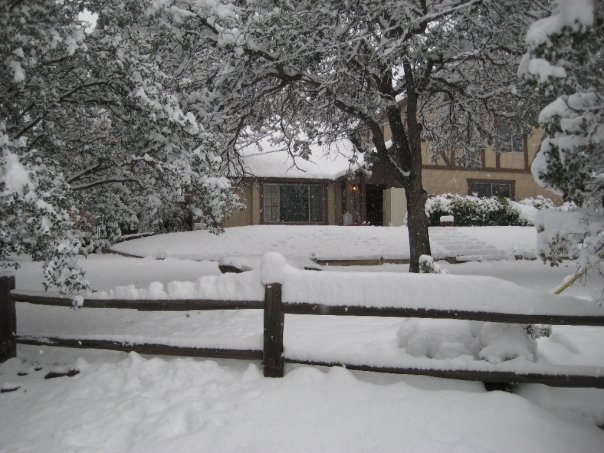
    The best winter at Cook Peak, 2008.


  • Falling Cow

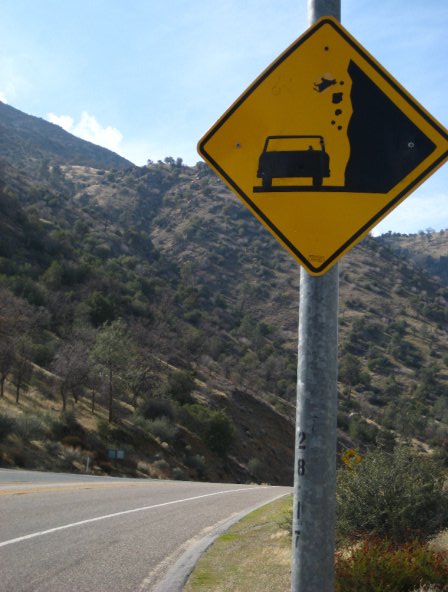
    At the east entrance of The Canyon, there’s a yellow and black pictorial road sign warning motorists to beware of rockslides in the canyon. If you slow down and look carefully, among the rocks is a falling cow.

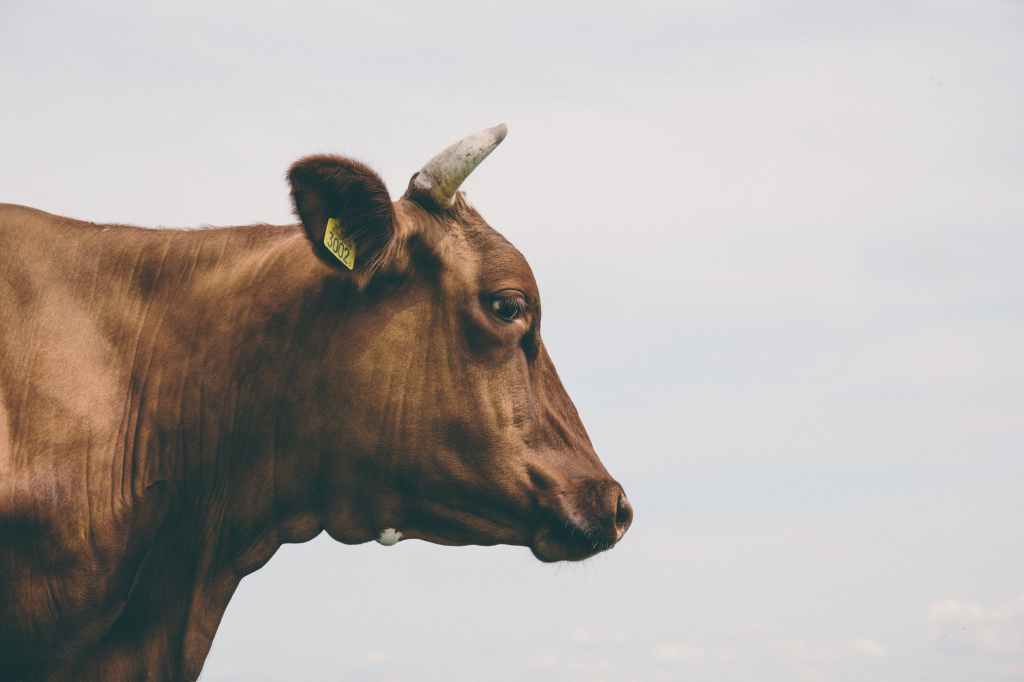
    We drove through The Canyon on a Sunday morning. It was a bright blue day, and the poppies were magnificent. Just west of the Richbar campground, the halfway point, we came around a corner, and in the middle of the road was a dead cow. Brown and full-grown, it lay on the double yellow line surrounded by rubble with all four legs pointing north. The cow had lost its footing on the steep green hillside and somersaulted hundreds of feet to its death.

    Cows on the road can be dangerous. I know. I hit a black cow on a moonless night at 50 mph and survived. The cow and my car did not. I shudder to think a similar tragedy could happen in The Canyon, but I know it’s possible. We were lucky on that particular Sunday morning. It was daylight, and a motorist had flashed his headlights half a mile back, signaling trouble ahead. We warned others in the manner until we exited The Canyon and called 911. After an odd exchange, the operator dispatched the highway patrol.

    We enjoyed our day in Bakersfield and forgot all about the cow. But on our drive home through The Canyon at dusk, we came around the corner and there it was. Judging by the dark smear on the asphalt, someone had dragged the cow by its legs to the side of the road and placed a large orange traffic cone on top of its bloated body.

    I don’t want to know what happened after that. I can only imagine the corpse remained overnight until CalTrans could dispose of the body in the morning.

    When I drive in The Canyon and see cows grazing on the mountainside, I can’t help but feel a little paranoid. Not only do I watch out for the line-cutters, slowpokes, and risk takers; I watch for falling cows.


    19041_1357413614562_4574055_n

  • shutterstock_77440486

    I refused to drive The Canyon before we moved to Cook Peak. Its 20 miles of windy road churned my stomach, especially late at night. The road is narrow. People drive too fast. They cut corners, tailgate, pass unsafely, and flash their high beams and middle finger. My worst fear, crashing head-on and plunging hundreds of feet to my death, made the road a terrifying experience as a passenger. The idea of driving the artery myself was out of the question.

    A week before moving to the Kern River Valley, David suggested a Sunday drive. Our destination was an apparent surprise, but I knew. We drove toward the east side of Bakersfield, past Mesa Marin Raceway, down the long hill, and through the orange groves in our shiny green mini-van. We were going to drive by Cook Peak for the last time. During escrow, we made the journey often. We imagined our van parked in their gravel driveway. We re-landscaped their front yard and debated a horse or two in their pasture. Soon, Cook Peak would be ours.

    David pulled off onto the side of the road by the old Merle Haggard place and turned off the ignition.

    “What are you doing?” I asked.

    “Do you trust me?” he said.

    I did. We’d been married for decades. With two daughters and a perfectly manicured Schnauzer, I had proved my resolve. We were going on an adventure that would change our trajectory, even though friends thought we’d lost our minds. We were trading our safe cul-de-sac life in the city for country living. I wanted it as much as he did. We all did. Of course, I trusted him.

    “Don’t say anything. I just want you to listen,” David said.

    My hands began to tremble.

    “Today, you’re going to drive the canyon.”

    “No, I don’t think so,” I said. I wanted to go home.

    “I’m serious, Ann. You can’t live in the Kern River Valley if you can’t drive in or out of it. I know you can do it. Take your time. Don’t worry about the other drivers. We have all day.”

    I sat straight and drove slow, pulling off at every turn-out. I even pulled out when there wasn’t a turnout and caused a ruckus. In the narrowest sections, I gripped the steering wheel, squinted my eyes and aimed for the middle of my lane like a boat in a canal. One wrong move and I’d lose a side mirror, clip an oncoming car, or scrape my paint job on a rock face. A drive that should have taken 20 minutes took me well over an hour, but I did it. And on that particular day, I began my love affair with a dangerous road.

    When my daughters learned to drive, I taught them The Canyon. We practiced at night when headlights were easy to spot, and traffic was light. Their driver’s education final required chauffeuring their instructor to the Starbucks on the east side of Bakersfield. Passing that test was a rite of passage. It was freedom. It meant they could go to Bakersfield College and commute with confidence. It did not take long for them to boast driving The Canyon in less than 20 minutes and cause me to worry.

    Delays in The Canyon are common, accidents, fatalities, construction, a gas tanker explosion, mudslides, earthquakes, a plane crash, drownings, search and rescue practice, falling cows, and all the summer slowpokes with a mile of cars trailing behind them. For closures that can last for days, we detour south through Havilah, over Lion’s Trail. That road terrifies me! The most unsettling delays are the ones late at night, stopped behind a string of cars for hours, waiting for the coroner to arrive.

    I’ve driven The Canyon for 15 years, now. I know the road by heart and feel its rhythm in my bones. I think of it like an hour’s worth of therapy after enduring Bakersfield traffic, especially on a midsummer’s night with Paul McCartney. We sing together, sashaying through moon shadows and in and out of curves. And when my hour is over, and I pass under the green bridge on the outskirts of town; I roll down my windows and fill my lungs with mountain air. I’m home where I belong.

  • The Rooster Box

    I stuffed him into a filthy pillowcase and drove to a lonely stretch of desert highway. With one hand on the wheel and an eye on the rear-view mirror, I hurled the demon out the window. He bounced hard and tumbled through Sagebrush until he slammed into a Joshua Tree.

    “You are out of my life forever!” I screamed.

    And then I woke up.

    It had been weeks since Cook Peak had slept through the night. Most nights I lay awake, staring at the ceiling. First, I heard one rooster, then mine, then another a few blocks away. And then mine crowed, again. And again. Wrapping my pillow around my ears, I rolled onto my side, and there was David asleep with the last pair of earplugs wedged into his ears.

    Rooster Boy was a handsome chicken. His rubbery comb drooped over his eyes like a bad hair day but handsome. His wattle danged under his corn colored beak. Tail feathers flounced as he strutted, trying not to stab himself with his spurs. A leader, procreator, and hunter, Rooster Boy free-ranged with his ladies at Cook Peak. At night, he returned to the coop as security guard, perched among a fat row of hens and crowed at anything that moved in the night.

    The next morning after my nightmare, I Googled how to stop a rooster from crowing. I wasn’t alone. Scrolling through web pages, I found answers that ranged from surgically removing vocal cords to injecting the poor bird with beef hormones. One suggested a recipe for Southwestern Chicken with mole sauce. The most helpful site described how a rooster needed to fully extend his body to crow, that a confined rooster was a quiet rooster.

    The garage door was heavy, and I felt it in my back. Starring into a mess, I noticed bat droppings again like donut sprinkles on the roof of my daughter’s 1964 VW Bug project. Power tools lined the back wall next to towers of plastic tubs, two filing cabinets, a Harley Davidson with a dead battery and a shriveled tarantula. The tall red tool chest was rolled into the corner, pillaged after home improvement projects. Left behind were the unsung tools collected over decades of marriage. I found a sledgehammer, half a box of small finishing nails and a six-inch protector that would work since the measuring tapes were missing.

    In the side yard, I hunted through the woodpile for scraps. Rooster Boy and his ladies grazed nearby, picking and scratching through the grass for pill bugs. We ignored each other, and I felt strangely in control for the first time in months. I was going to rescue Cook Peak and build a Rooster Box.

    My box resembled a crude three-foot window planter, anchored to the back wall of the chicken coop. Its hand-hewn wood, scavenged from an old Methodist church was held together with tiny finishing nails. I fashioned the lid from a plank of Pergo and two barn door hinges, precisely at the height of eight inches, just like the website suggested. When finished, I padded the inside with hay and waited for nightfall.

    I wasn’t comfortable with the idea of catching Rooster Boy. I imagined terrified hens and Rooster Boy charging with his spurs in a lopsided fight. I didn’t know what to expect or how to load him into my Rooster Box without altercation, but I had to try. My reputation in the neighborhood was at stake.

    After the chickens returned to roost that night and the lighting dimmed, I opened the coop door quietly. Rooster Boy sat wedged between two black hens and watched me with his blinking yellow eyes. Carefully I reached over the hens and with both hands, plucked Rooster Boy off the perch. Some time between reaching and plucking, I bumped a hen, and mayhem erupted. As fast as I could, I shoved Rooster Boy inside the box head first and slammed the lid shut on his tail feathers.

    The next morning, Rooster Boy only crowed at dawn. I found he had worked the lid up enough to pop out his head like a jack-in-the-box. Modifications began immediately. I sled-hammered lawn stakes into the coop’s rafters, creating locks that swung down to hold the lid in place. That night, I awoke to muffled crowing and discovered that Rooster Boy had stretched horizontally and had plenty of room to recline and crow. On the third night, I marched out to the coop, grabbed Rooster Boy and stuffed him inside the box along with six hens. That night, the crowing ended.

    Coyotes howling in the ravine woke me up. I could tell they were getting closer and soon they’d be in my front yard. I pulled the covers under my chin and listened. I wondered if my neighbors liked me again. They seemed friendlier since I built the Rooster Box. They waved when I drove by. One brought me a bag of homegrown tomatoes. And then I thought about Rooster Boy. He was pastoral these days, accompanying his ladies across the road to get to the other side where they scratched among the oak leaves. He was happy. I was happy, and my neighbors were thrilled. Each night we waited for sleep to arrive and take us to a quiet place, inside the Rooster Box.

  •  

    horse-face-139326099592h

    The Cook Peak Review, June 2009 – Edited February 2018

    In the last issue of The Cook Peak Review, Elizabeth described her personal experience with the death of her free horse, Silverado. Shortly after publication, a generous reader gave her another free horse, an Arabian mare named Amber to join Tulsa, our free gelding. They were a happy senior pair.

    Tulsa began limping after a ride and was diagnosed with ringbone. His leg bone had pushed down through the inside of his hoof. Barely able to walk, he dragged his leg behind him, trying to keep up with Amber. Tulsa began losing weight, and his health declined fast. We needed help.

    The vet made a ranch call. It was 100 degrees that day, and Tulsa was laying in the full sun, unable to get up and move to the shade. The vet listened to his heart, shook his head and said the humane thing to do was euthanasia. Coldly, he climbed into his truck and said to hire a backhoe and call when the hole was ready.

    After everyone left, I sat next to Tulsa and cried. I told him I loved him and how awful I felt for what had happened. Stroking the side of his head, I searched his eyes and asked if he was ready to go, something I had always done when an animal faced death. Tulsa seemed to impress upon me that it wasn’t his time, not yet. At that moment, I promised to do everything I could to save his life even though I knew going against the vet’s advice would mean going ahead alone.

    Over the next few months, we nursed Tulsa. We researched equine health and first aid. We applied topical treatments, wraps, and tried various supplements. We talked with horse rescuers in Los Angeles. We changed his diet, spiking his senior feed with corn oil to help pack on weight and used aspirin to manage his pain. During the worst of it, his hair fell out in chunks from his skeletal frame.

    Our Ferrier examined Tulsa and recommended euthanasia. A neighbor walking their dog stopped to reprimand me for my lack of horse experience and my stupidity, and I agreed, but despite all the negativity, we fought for Tulsa’s life. It didn’t matter to any of us that he would never ride again. After all, Cook Peak was his retirement home, a safe place where he could live out the rest of his life with no expectations.

    A year later, Tulsa’s progress was remarkable. He whinnied in the mornings when he saw me and trotted to his bin for breakfast. His limp had disappeared, and the ringbone was in remission. And finally, his brown coat was full and shiny.

    I believe there are three reasons why Tulsa survived his injury: 1) We refused to give up; 2) We listened to the patient; 3) We relied on father time and mother nature to heal.

    Tulsa lived a happy retirement at Cook Peak. It was colic in his old age that ended his life on yet another scalding summer afternoon. We borrowed a horse trailer and drove him to the emergency vet hospital in Bakersfield where they immediately pumped him full of morphine. It was strange to see Tulsa so relaxed and peaceful after witnessing the grueling dance of colic. There was nothing anyone could do.

    Saying goodbye to Tulsa was heart-wrenching. I looked into his eyes and asked if he was ready to go. We both knew the answer. Bawling, I hugged him for the last time and went inside to sign the paper.

    We drove away with an empty horse trailer as big as the void in my heart. Tulsa and the vet stood on the lawn and watched us leave. Once we were out of sight, Tulsa was laid to rest in the shade of the Mulberry tree.

    There is no such thing as a free horse. Every horse costs money in feed and care. I know what “free” means. It means you’re the one who gets to love the older horse to the last day of its life, and you do it freely.


  • milky-way-984050_1280

    I slept alone in my room as a child, hidden beneath the covers with a hole small enough to breathe. I wasn’t afraid of darkness; I felt terrified of the dangers that accompanied darkness, the monsters, the intruders, and lightning on stormy nights. Hidden beneath the covers, I felt safe in my cocoon.

    Boarding school helped calm my fear of darkness. I was never alone in a room full of bunk beds. Although I continued to hide when I slept, I did so out of necessity. Himalayan winters were brutal. In high school, while visiting my parents in the jungles of southern Thailand, I hid for a good reason. The communist guerrillas had threatened to kidnap an American. I was American.

    When I returned to the United States for college and later married, my fear of darkness disappeared. I pulled the covers up under my chin every night, stuck out a foot and fell asleep effortlessly. There was nothing to be afraid of. We lived on a cul-de-sac in suburbia where the night glowed from the nearby Walmart and helicopter searchlights patrolled the murky sky. Darkness wasn’t dark at all.

    On our first night at Cook Peak, David asked the girls and me to join him by the pool to see at the stars. Surrounded by a wood fence and a wall of Juniper trees, the pool area was a private mountain oasis. I switched off the porch light and felt my way up the steps and through the gate, directed by a Marco Polo routine. Once night blindness subsided, I looked up to the heavens and marveled. I saw the Milky Way for the first time in many years, a broad stroke that filled the sky from horizon to horizon. It was an orchestra of stars and Orion was the first chair violin.

    While David named the constellations and explained star clusters and red dwarfs, the girls and I suddenly realized wild beasts lived beyond the pool fence, watching us. Earlier in the day, the previous owner had told us about a black bear in the pine tree. She said raccoons frequented the upstairs balcony after midnight, which happened to be right off my bedroom. She also reassured us not to worry when coyotes screamed like colicky babies. We’d get used to it. They were just flushing out the cats. Huddled as one, the girls and I shuffled toward the house, trying not to be rude until David was left explaining black holes to a Schnauzer.

    I am not afraid of the dark, but I do have respect for darkness and all of its inhabitants. I know what’s out there. We rarely turn on the porch light, and I can’t remember the last time we used a flashlight or if we own one anymore. We have grown accustomed to the darkness and cannot imagine living in a city that never sleeps. And now when the coyotes scream in the middle of the night, or the bear ransacks our trashcans, it’s easy to fall back to sleep, safe in our cocoon.

  • Nobody

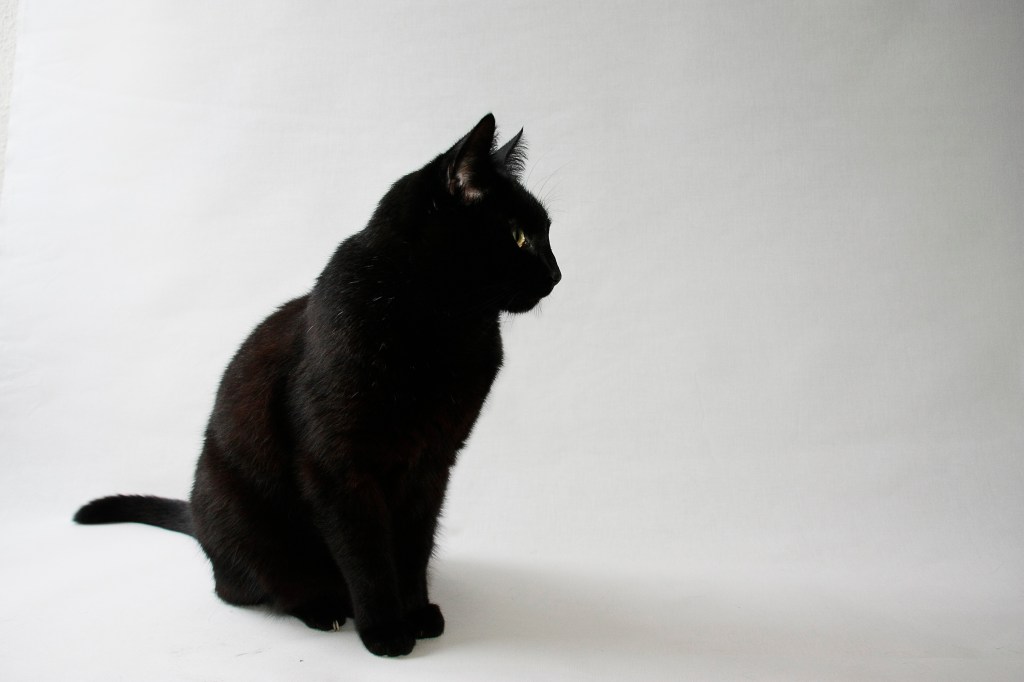
    After the Erskine Creek Fire of 2016, the feral cat population dwindled to one; a cat called Nobody. Nobody had belonged to the big white house on the hill above Cook Peak, one of four in a row, one of 257 homes destroyed by fire. The owners never returned to rebuild or look for their cat. Traumatized by fire and all alone, Nobody moved down the hill to Cook Peak where he lived under the chicken coop. He was a good looking cat, sturdily built with a midnight coat. He lived off gophers and drank from the pig’s trough. I tried many times, but I could never get closer than a car length before he bolted. Mostly, he was content to watch from afar and never wanted more from me than space.

    Last fall, I stopped noticing the cat in the mornings when I fed the pigs, then in the evenings until one day I stopped noticing him at all.

    Feral and outdoor cats don’t last long at Cook Peak. I’ve learned not to get attached. When coyotes scream in the middle of the night, I know what’s going on. It happened Pindi, Ruthie, and my best cat Sheldon. I’ve learned the only kind of cat to have at Cook Peak is an indoor cat. Anything else is a nobody.


  • 12615618_10208671620527091_6773495714193286683_o (1)

    The English name their houses. I’ve always admired their tradition, mostly because I grew up in Pakistan where hill station bungalows were named Robin House, Hillside Manor, and Rose Cottage. It’s familiar to me. When we purchased our home in the Kern River Valley, located on Cook Peak Road at the base of Cook Peak mountain, plus our surname was Cook; it seemed only natural to name our house Cook Peak.

    Cook Peak is a collection of old and new stories about a life, a family and a house called Cook Peak.